
A Look at Its Weather Resilience and Performance
TPO roofing is a popular choice for many building owners due to its durability and cost-effectiveness. This type of roofing material, known for its energy efficiency and ease of installation, must endure various weather conditions throughout the year. From scorching sun to heavy snow, how well does it hold up? Understanding its performance can help you make an informed decision when choosing the right roofing for your building.
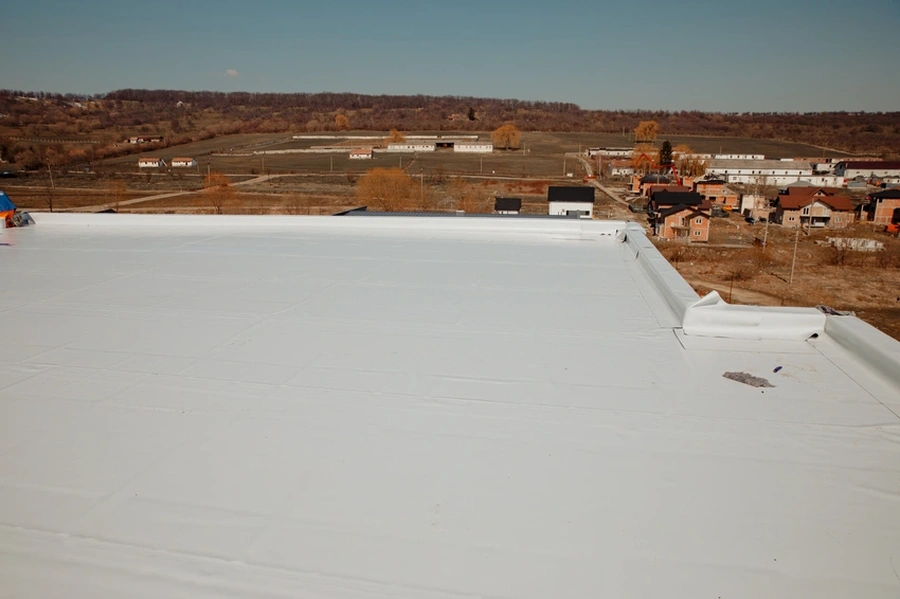
The Benefits of TPO Roofing
One major advantage of TPO roofing is its ability to reflect UV rays. This reflective quality helps keep buildings cooler in hot weather, reducing energy costs. Additionally, TPO roofing resists mold growth and dirt accumulation, which means less maintenance is required over time. Its flexibility makes it suitable for many roof shapes and styles, ensuring a tight fit and reliable protection against leaks.
Challenges During Extreme Heat
In extremely hot climates, roofing materials can suffer from thermal expansion. While TPO roofing is designed to withstand heat, extreme temperatures may still affect its longevity. Over time, constant exposure to high heat can lead to slight warping or cracking if not installed properly. To mitigate these issues, it’s essential to use experienced professionals who understand how to handle this material in such conditions.
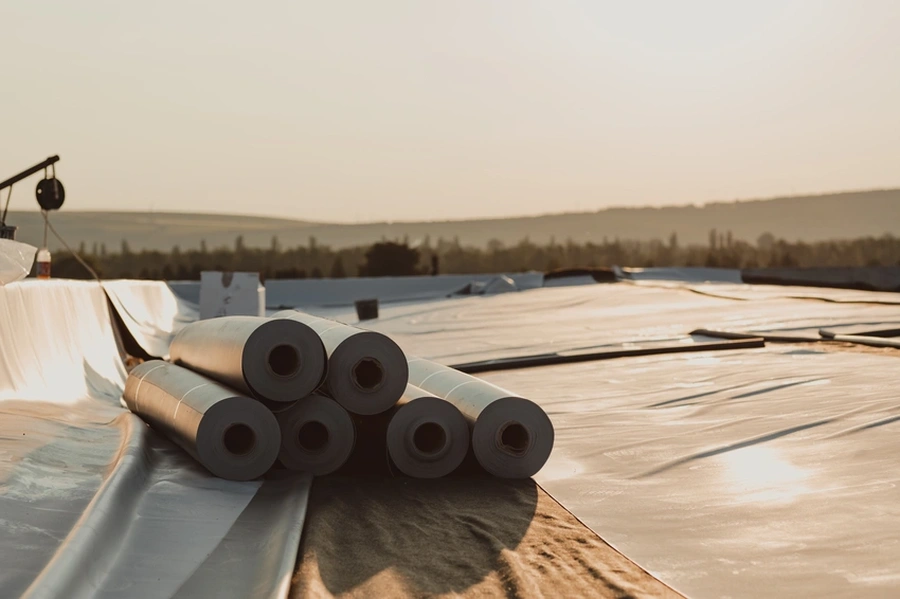
Performance in Cold Weather
During cold weather, some roofing materials become brittle and prone to cracks. However, TPO roofing maintains its flexibility even in low temperatures, reducing the risk of damage during winter months. It’s important to note that proper installation techniques are crucial to ensure the material remains secure and intact despite freezing conditions. Regular inspections can also prevent potential damage before it becomes a problem.
Rain and Wind Resistance
Strong winds and heavy rain can test a roof’s resilience. TPO roofing offers excellent resistance to wind uplift, making it a great option in areas prone to strong storms. The welded seams provide added strength and waterproofing, preventing leaks during heavy rainfall. However, regular inspections are recommended to catch any signs of wear or damage early on.
The Impact of UV Exposure
UV rays can degrade certain roofing materials over time, but TPO roofing includes UV-resistant additives to prolong its lifespan. This ensures that the material continues to perform efficiently without significant degradation. Routine checks and maintenance can help identify any early signs of UV damage, allowing for timely repairs and preserving the roof’s integrity.
Best Practices for Maintenance
- Schedule regular inspections to spot potential issues early.
- Ensure proper installation by hiring experienced professionals.
- Clean debris and dirt to prevent buildup and weight strain.
- Address minor repairs promptly to avoid larger problems.
Your Next Steps With Quality Roofing Solutions
When considering TPO roofing for your building, understanding its performance across different weather conditions is key. By choosing Mart Roofing Inc, you can trust that our experts will guide you through every step, ensuring top-quality installation and ongoing support. Based in Panorama City, CA, we pride ourselves on delivering durable solutions no matter where you are located. Call us today at (747) 309-3467 to discuss your project needs!